Nucleic Acid Amplification
After you've purified and quantitated your nucleic acid, the next step is amplification. PCR is perhaps the most ubiquitous assay in molecular biology—something we do every day. Each type of PCR has different applications and comes with its own unique challenges. Which one is right for your project?

Endpoint PCR
Endpoint PCR was originally developed to amplify short segments of a longer DNA molecule. It is a relatively simple application that is used to exponentially increase the number of copies of a given DNA or cDNA template.

WEBINAR
Introduction to PCR
Get a crash course in PCR basics and troubleshooting.

BLOG
Top Ten Tips for Optimizing PCR
Your PCR run can almost always be better. Optimizing your protocol and following these tips could save you time, energy and the frustration of having to start over.

BLOG
Dealing with PCR Inhibitors
Inhibitors, such as salts and detergents, can easily ruin your day. Learn how to avoid them in this blog post.
qPCR
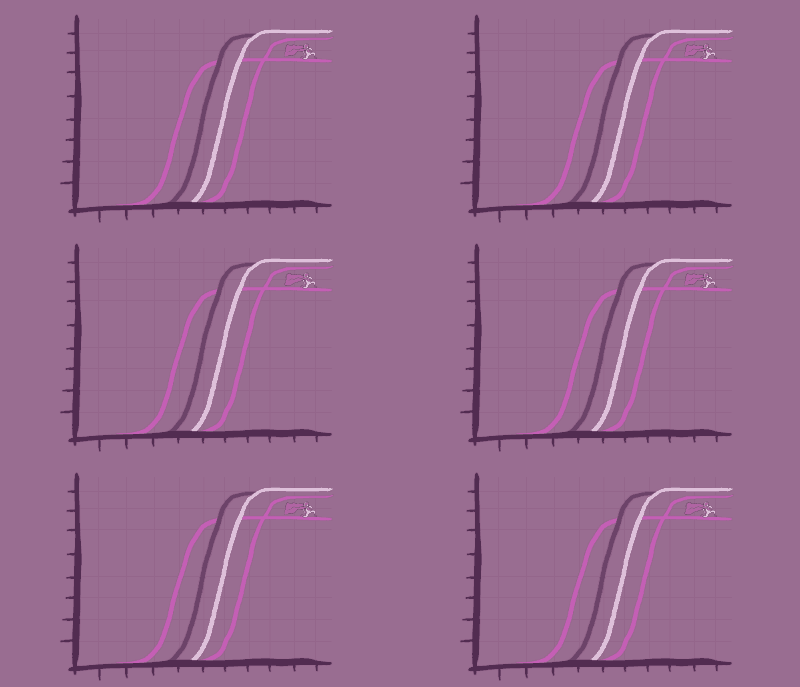
In a real-time quantitative PCR reaction (qPCR), product formation is monitored following each amplification cycle, as opposed to endpoint PCR, which only measures after all cycles are complete. This application is a part of nearly every recently published study, and is generally regarded as invaluable.

ARTICLE
Is qPCR For You?
Find out if real-time qPCR could be the application you're looking for with this article full of videos and different methods to consider.

BLOG
qPCR: The Very Basics
What's the difference between traditional endpoint PCR and real-time qPCR? This blog has the answers.
WEBINAR
Introduction to Real-Time PCR
Check out this overview of basic qPCR principles, assay design and analysis.
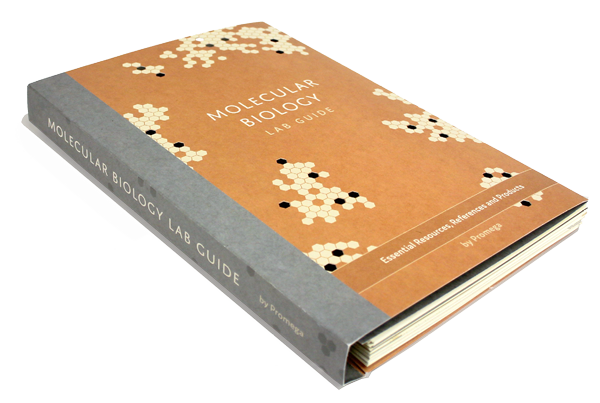
Molecular Biology Lab Guide
From basic DNA purification to the most complicated qPCR experiment, the Molecular Biology Lab Guide can help you make every experiment successful.
RT-PCR and RT-qPCR
These techniques are used to study RNA expression. The application starts with an RNA template that is reverse transcribed to cDNA before amplification.

BLOG
Choosing the Right Reverse Transcriptase
There are a lot of choices when it comes to reverse transcriptases. How do you know if you have the right one?

BLOG
Top 10 Ways to Improve Your qPCR and RT-qPCR
With so many parameters that can influence the success of your qPCR assay, we've prepared a rundown of the top 10.
WEBINAR
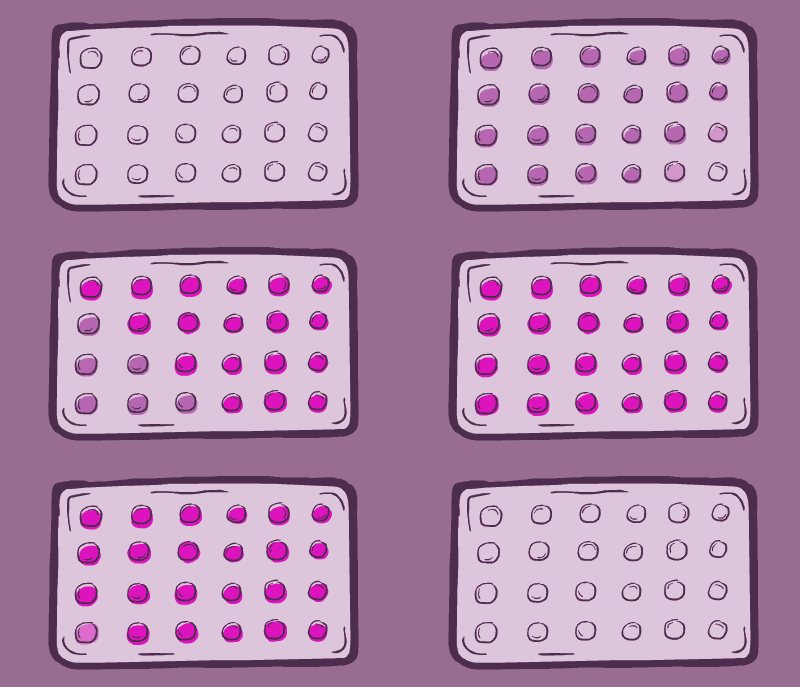
Optimize your qPCR and RT-qPCR Assays
Learn how to improve your results during this webinar about planning and designing qPCR and RT-qPCR assays.