Luminometers
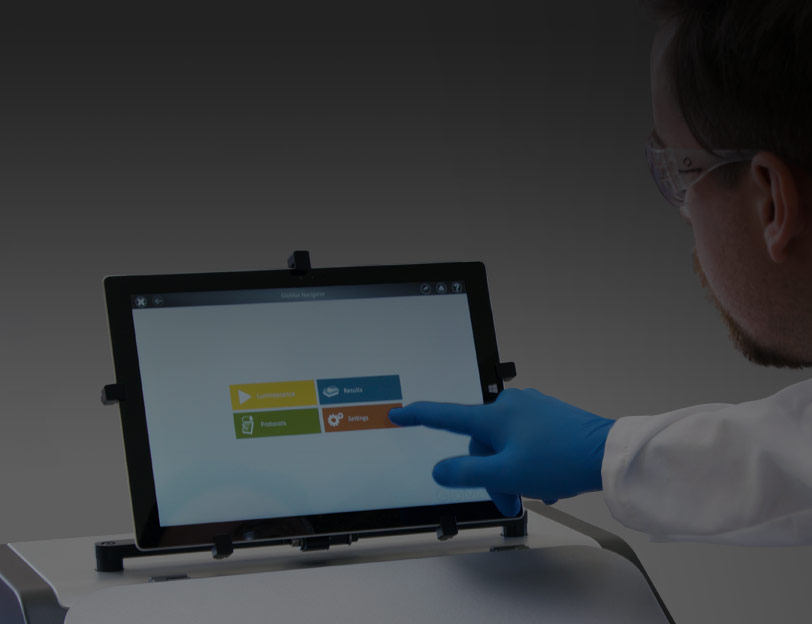
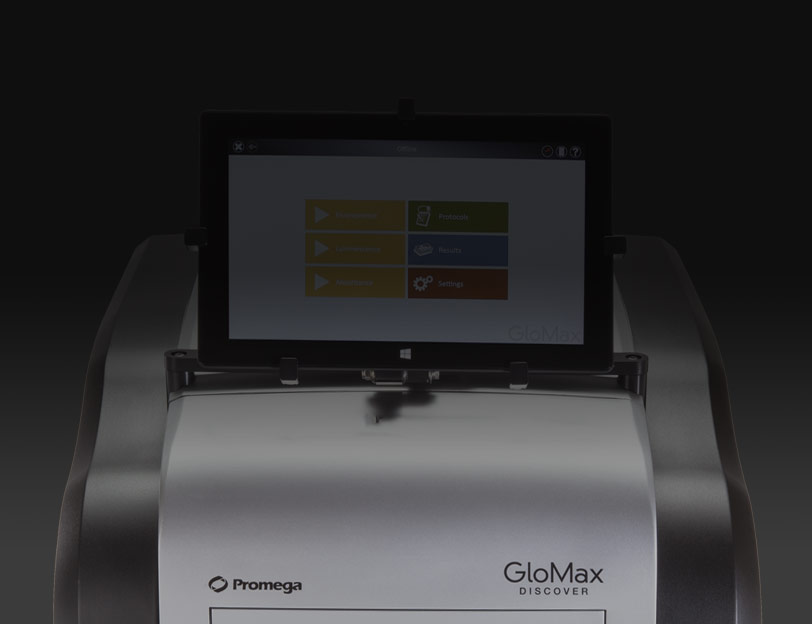
Promega luminometers include microplate luminescence detection systems optimized for use with Promega assay chemistries. These instruments offer high sensitivity, pre-loaded protocols, and integrated data analysis—giving researchers a simple way to get better data and connect to manual or automated laboratory workflows.
We offer three microplate luminometer options. GloMax® Navigator is a dedicated microplate luminometer; GloMax® Discover and GloMax® Explorer are multimode readers offering luminescence, fluorescence, absorbance, BRET and FRET detection options. These plate readers provide high sensitivity detection, an easy-to-use interface, and full integration with Promega assay chemistries.
Filter By
Shop all Luminometers
Showing 7 of 7 Products
What is a Luminometer?
A luminometer is an instrument capable of detecting photons of light that are emitted from either a chemical or enzymatic reaction. This type of instrument can be a very useful piece of equipment for a variety of laboratories, including life science research, clinical, and applied areas such as food or water quality testing. Luminescence is typically a more sensitive detection modality than either fluorescence or absorbance-based methods, making it especially useful for studying cellular health and metabolism, genetic reporter assays, and even biochemical assays.
As light is emitted from a chemical or enzymatic reaction, the individual photons are collected by a detector, commonly either a photodiode or photomultiplier tube. This light is quantified as a Relative Light Unit (RLU) and is directly proportional to the concentration of the amount of luminescent material in the sample.
When choosing a luminometer, important factors to consider include sensitivity, dynamic range and cross-talk performance, as the performance of the instrument can greatly impact the success of your assay results.